How To Choose The Best 15 Cricket Balls For Your Coaching Bag
There are a large number of cricket products being developed each year, that help keep training varied and relevant. The types of cricket ball training aids is an area manufacturers have sought to target with much success. We are blessed with high quality cricket balls that can be used with cricket players of all abilities, age and sex. Here, I look at the best 15 cricket balls for coaching players in any environment.
Coaching cricketers can be one of the most rewarding roles in cricket. How to develop players into skilled bowlers or batters is largely based on the dedication of the coach and willingness of the player. How you get a player to work out how to bowl a cricket ball or play defensive shots is an art of coaching that should never be underestimated. The skills of the coach to create fun, engaging and worthwhile training sessions is a challenge met every year. The free coaching resources available to coaches is growing each year, which helps keep coaching fun and the coaches motivated.
1 – Standard Tennis Balls
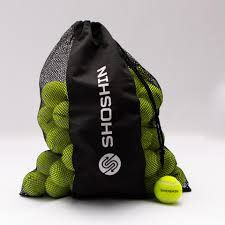
A standard tennis ball is probably one of the best cricket coaching balls to develop skills of young players. It certainly makes my list of the best 15 cricket balls. The make up of the ball, ensures the players can repeat drills many times without the fear of injury. This allows players to build confidence and muscle memory before moving on to heavier cricket balls. I am surprised tennis balls aren’t used more with more experienced adult players, especially with bobble feeds in net scenarios. Maybe the slightly higher bounce is a negative so luckily there are alternatives.
Any brand of tennis ball is suitable, as long as it is a tennis ball and not a dog tennis ball. The Shoshin tennis balls shown, are available in packs of 12 or bulk buy quantities. Cheaper dog balls have no or very little structure to the ball making them unsuitable for cricket use.
2 – Heavy Tennis Balls
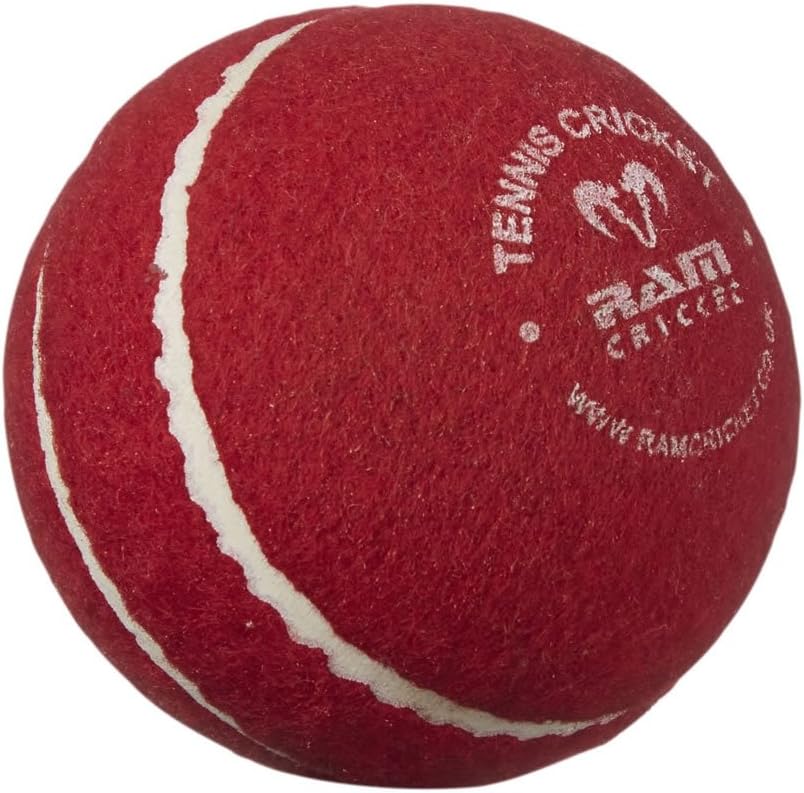
If you find the bounce of a standard tennis ball too high, then a heavier ball is probably worth considering. Manufacturers have developed a heavier tennis ball with a lower bounce, which is ideal for bobble feeds in net batting drills. The heavier tennis balls should only be used for practice in nets. If used for fielding drills there is a higher risk of injury.
The heavy tennis ball can be used for batting or bowling drills across all ages. It can be useful to try a bowling drill that uses a mix of the heavy and standard tennis balls, to condition your body to adapt to different situations. 2 of the better heavy tennis balls are Readers All Play and GM First Ball.
3 – Windballs
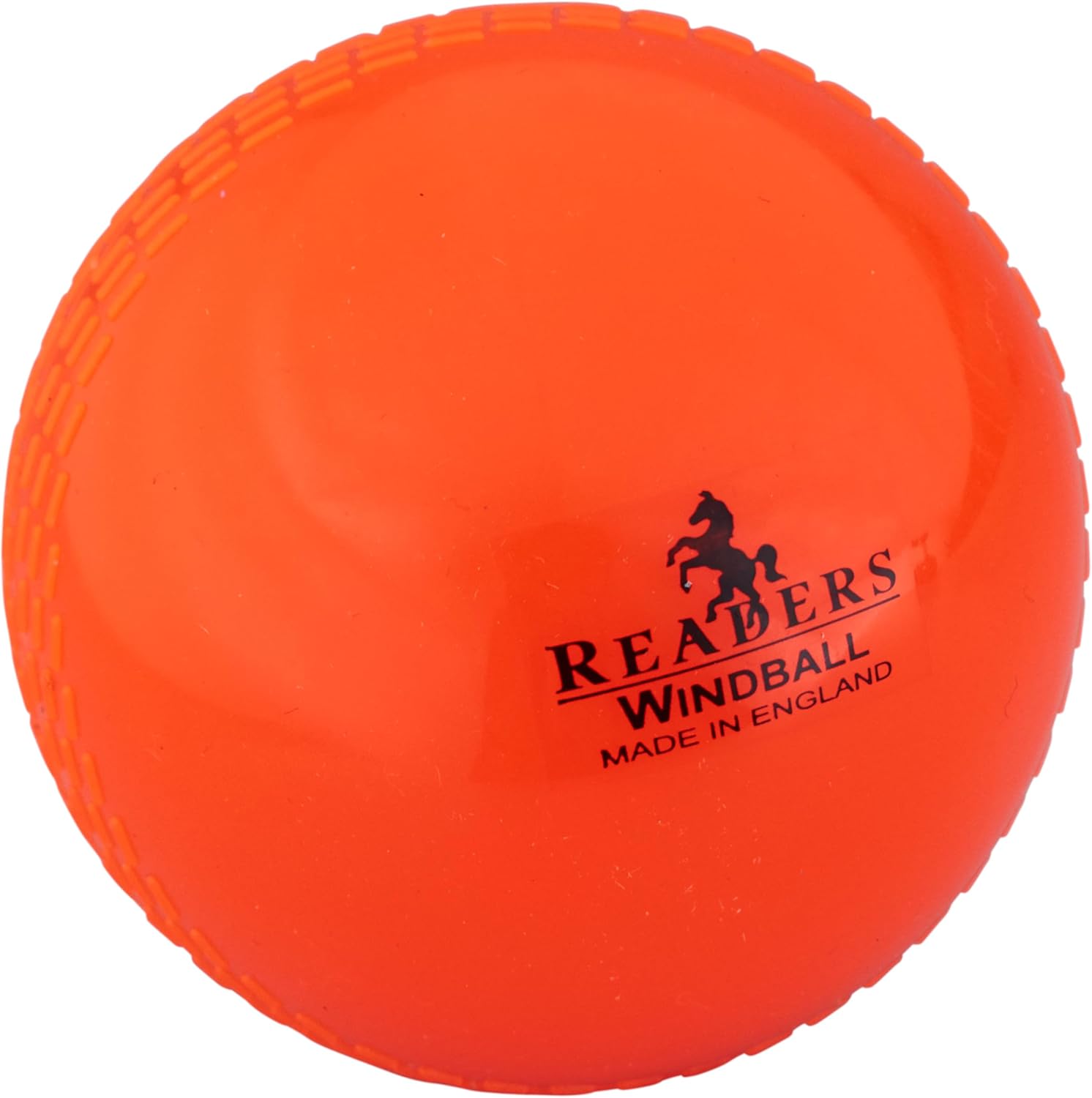
The term ‘Windball’ is actually the brand name for the soft squidgy plastic ball manufactured by Readers Kookaburra Ltd. There are many versions of this on the market but the Readers one, is still one of the best examples available. When bowled, the Windballs shape distorts, which allows the ball to move or swing in the air. This is ideal for teaching batters to watch the ball through the air, when making their batting stroke.
This type of cricket ball is soft to touch and is less likely to hurt players when learning new cricket skills. Other brand names include – Airball, Wizzball, Velocity and Soft-a-Ball. These balls are widely used across all junior teams and it’s easy to see why this is on my list of the best 15 cricket balls. available in a number of colours in junior and adult sizes.
4 – Incrediballs
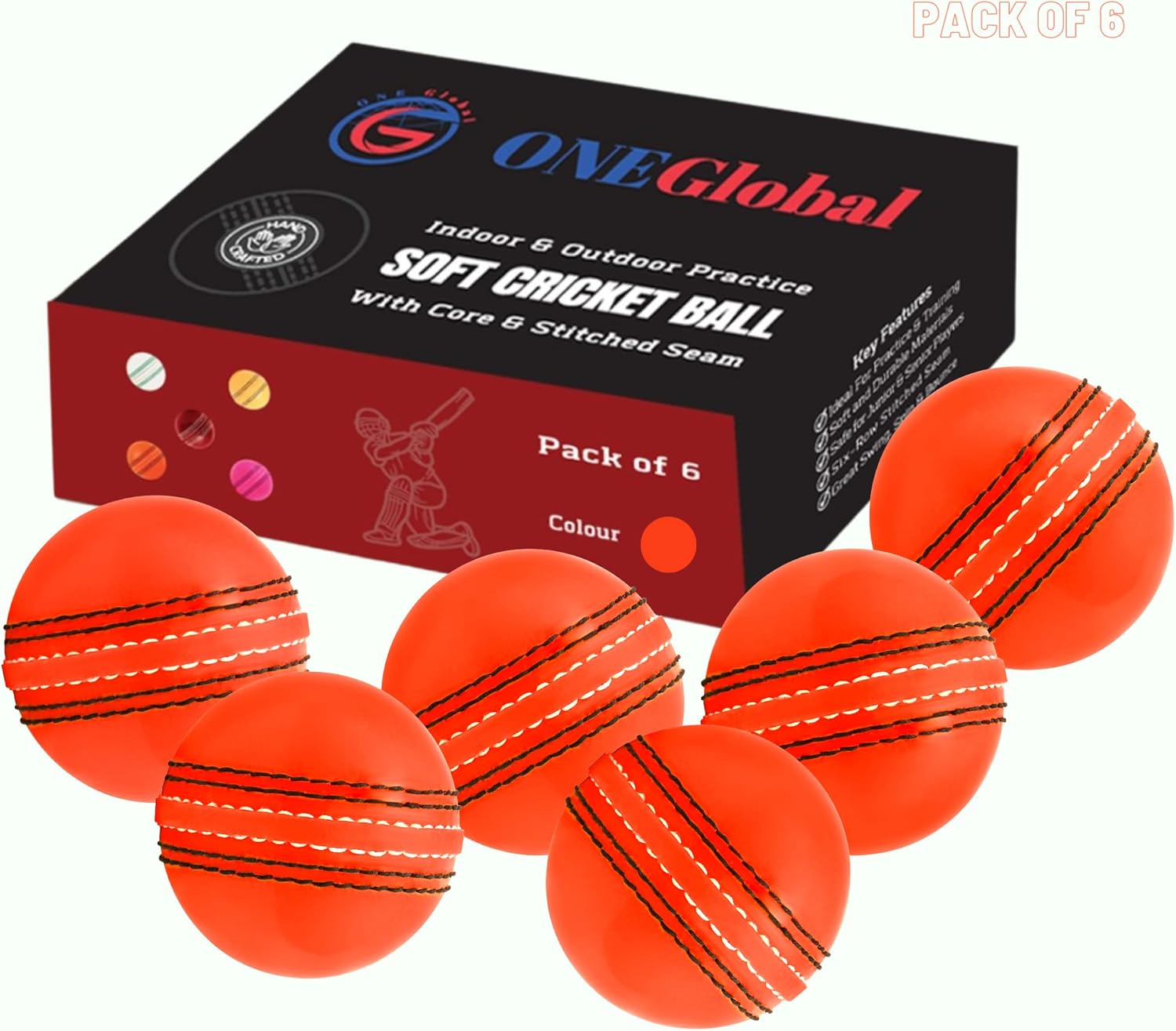
The ‘Incrediball’ was the original brand name for this type of training cricket ball and had to be included as one of the best 15 cricket balls. It is manufactured with 2 moulded halves of softish plastic, which is stitched together to give the effect of a real cricket ball seam. The core of the ball is a soft foam material, which varies in density depending on the brand purchased. The ‘Incrediball was originally manufactured and distributed by Easton, which is probably better known for their baseball products. The distribution in the UK was taken on by Aero Cricket, when Easton withdrew from the cricket market. The Incrediball is now known as the Aeroball.
Almost every cricket brand now has their own alternative ball which include brand names – Supaball (Readers), Softaball (Kookaburra), One Global, Skills Ball (Gunn & Moore), Wonderball (Gray Nicholls) and Soft Impact Safety (Dukes) to name just a few. Although these have a soft core they can still sting a bit so we suggest using cricket pads and gloves as a minimum, when using with younger age groups. They are a great training aid to show bowlers how to hold a cricket ball, before moving onto the harder leather version.
Use an incrediball with one half red and the other white or yellow, to show bowlers how the ball reacts through the air, when bowling. It is also a good visual aid for batters to follow swing or spin ball movements.
5 – Leather Cricket Balls
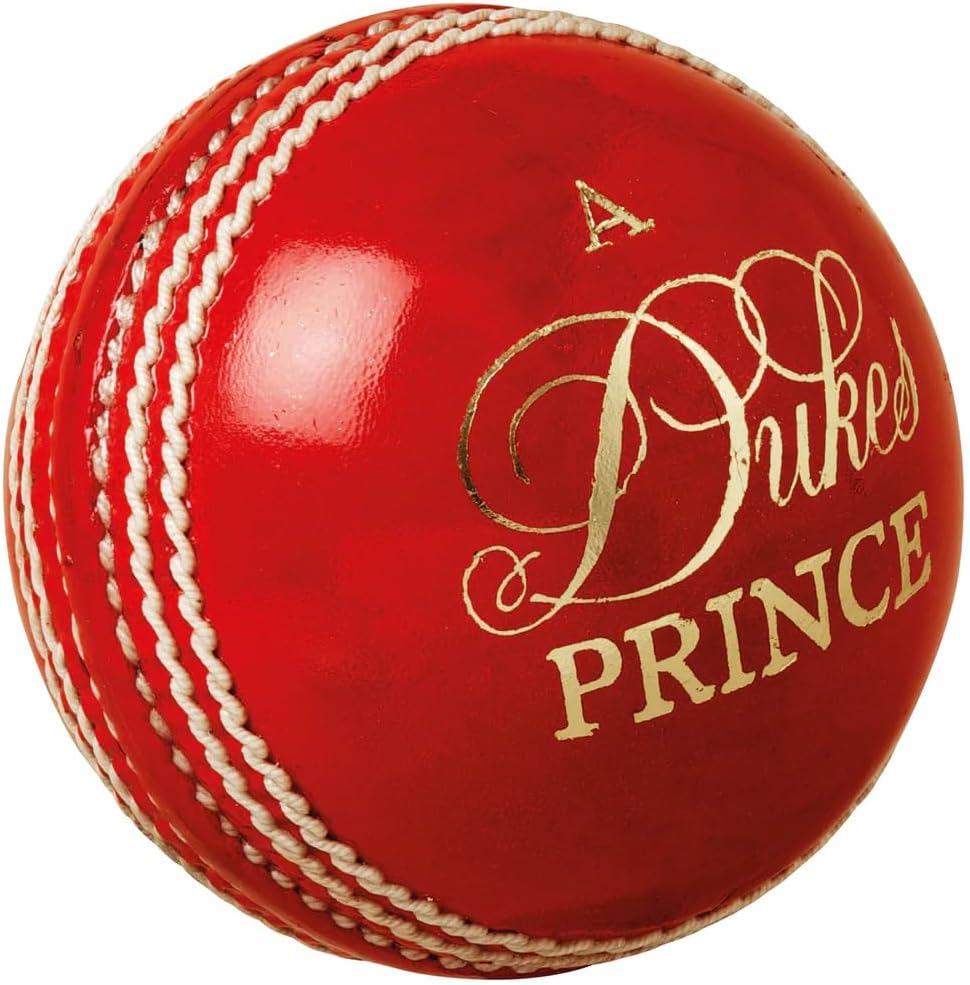
Obviously the leather cricket ball had to be in the list of the best 15 cricket balls but there are so many options available. Leather cricket balls are generally available in 3 sizes – 4 3/4oz (junior), 5oz (women) and 5 1/2oz which is a full sized ball. The leather ball is manufactured used a 2 or 4 piece construction. The 4 piece construction has 4 quarters of leather stitched together in pairs. Then this is counter stitched over a round core material which is made up of worsted and a cork centre.
The quality of the core and leather determines whether a ball is suitable for training or match quality. Most manufacturers produce training and match quality balls. Brands include Dukes, Kookaburra, SG, Readers, Gunn & Moore, Gray Nicholls and a large number of ‘own labels’ are available. Choosing the ball to sit under the best 15 cricket balls banner, depends on your budget, surface and duration of match.
4 Leading Cricket Ball Brands
- Kookaburra are the world’s biggest cricket ball manufacturer. They are recognised globally and produce high quality balls for club and professional cricketers. Kookaburra also supply match balls for some of the major test playing nations, including Australia and New Zealand.
- Dukes are also a well respected global cricket brand. The Dukes Test ball is used in England and variations of this ball have been used and tested in all other test playing nations. Many of the higher quality Dukes balls are hand finished in the UK.
- SG (Sanspareils Greenlands) are the leading manufacturer of test balls in the sub-continent. The balls are respected for their durability which suits the Indian climate and is the reason they are used extensively across India.
- Readers cricket balls are probably the leading brand seen in clubs across the UK. Now under the Kookaburra banner, Readers manufacture some of the best budget balls on the market. The Readers balls were originally hand produced in Kent but, sadly this is no longer the case.
Training or Match Leather Cricket Balls?
For training use, the cheaper balls are generally preferred. However, it is important to be careful as cheap is not always the best option. Some of the cheapest balls have poor quality cores which under the right circumstances can break bats. Given most bats are £100 plus spending a few pence more on better quality training balls is money well spent. A good quality training ball can cost around £7.50 but if kept dry will last a couple of years.
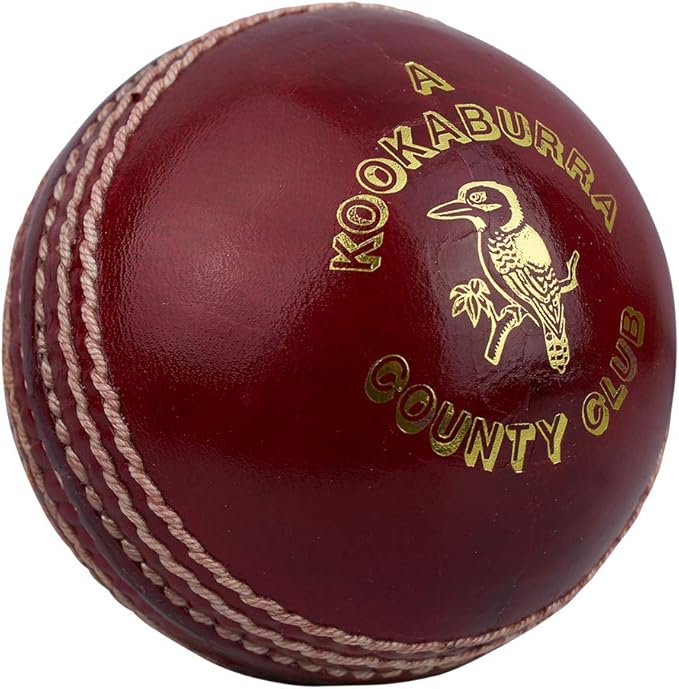
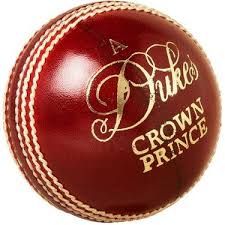
Choosing a leather cricket ball suitable for matches, depends on the competition played, the surface played on, the length of match and the budget of the club. A good quality match cricket ball priced around £15 to £20 which should certainly last 50 overs or more. Once used, these can be saved a spare balls or used in training and net drills. Some leagues take the decision away from clubs and tie them into buying a ball linked to a sponsorship deal. The advantage of this is the ball is the same across all clubs, in every game. The disadvantage is they tend to be overpriced, which leagues taking their own share of the profit.
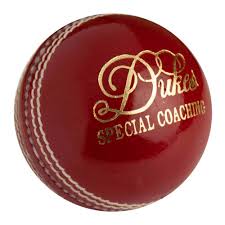
6 – Dukes Heavyweight Leather Cricket Ball
The Dukes Heavyweight leather cricket ball is one of my favourite coaching aids for bowlers. The ball is designed for use to improve throwing skills. It is also ideal for use with bowlers and creates a different type of bowling session. It is important to remember this should not be used with batters as the ball will break the bat. One of my best 15 cricket balls for coaching bowlers only.
We used these balls with our bowlers to build up the muscle memory and then switched in the normal weighted leather ball. The pace of our seam bowlers increased over time, as did the accuracy. The players loved the variation on a normal bowling session. Remember to keep this ball separate to the other standard weighted balls.
7 – Bowling Machine Balls
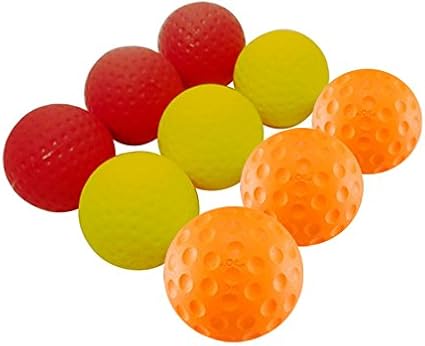
The best known bowling machine are the Bola models. These are used in grassroot, professional and international cricket across the world. The Bola branded balls are best used in the Bola machines for consistency. The Bola balls are more expensive so many clubs look for cheaper alternatives. They don’t tend to last as long though and the weight across a batch can vary significantly.
The bowling machine ball is manufactured from a dense rubber compound with deep round indents. These indents help the ball move through the air when used with the swing or spin mode of the machine. These balls are also ideal for throwdowns for batters in cricket nets, when working on 1 or 2 specific shots. A good alternative to the Bola bowling machine ball is the Gunn & Moore Bowling machine ball and is a similar price. Even if your club doesn’t have a bowling machine the fact is these are one of the best 15 cricket balls for coaching batters.
8 – GM Chevron Swing Ball
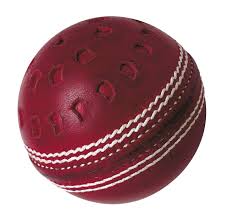
Number 8 in my list of the best 15 cricket balls is the GM Chevron Swing Ball. This is a must buy for coaching players how to swing a cricket ball. The ball weighs 5 1/2oz and is a full sized ball so should be used with players over the age of 13 years. One side of the ball has small indents which allows the ball to swing through the air.
A good coach will make good use of this ball and help players of all ages understand the art of swing bowling. It is manufactured using real leather and has a good quality stitched seam too. Batters can be in the net and work out how to play swing bowling. Note – when used with batters the balls will deteriorate quicker than when used just a bowling aid.
9 – Reaction Ball
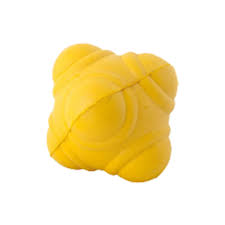
Reaction balls are used in warm up drills and are especially effective on hard or indoor surfaces. The balls bounce irregularly so make it more challenging to pick up, which helps improve fielding skills. Most brands have their own version and they vary in price form £2.00 to £7 depending on the size of ball purchased.
Sizes range from 7cm to 14cm and we liked to have one of each size. This allows the coach to offer different levels of skill to players of all ages.
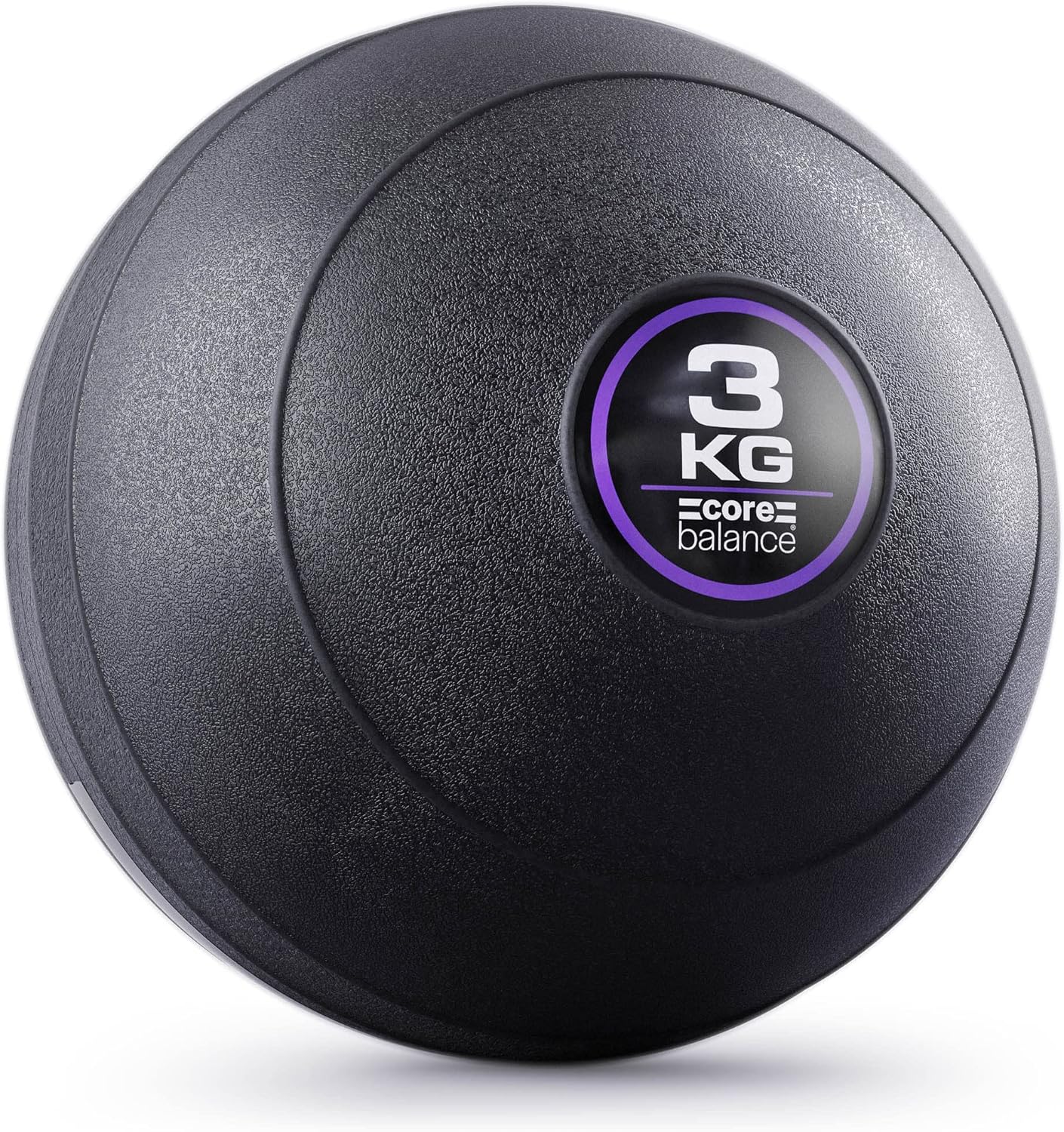
10 – Medicine Ball
Our bowling coaches loved using the medicine ball for strength and conditioning drills for our bowlers. These should be used with caution though and never overload young players with heavy weighted balls. There are a number of video’s available to watch on how to use a medicine ball for bowling drills or consult a S&C coach for further ideas.
Be careful not to overload young players and choose a lighter weighted medicine ball if you are unsure.
11 – 4oz Indoor Cricket Ball
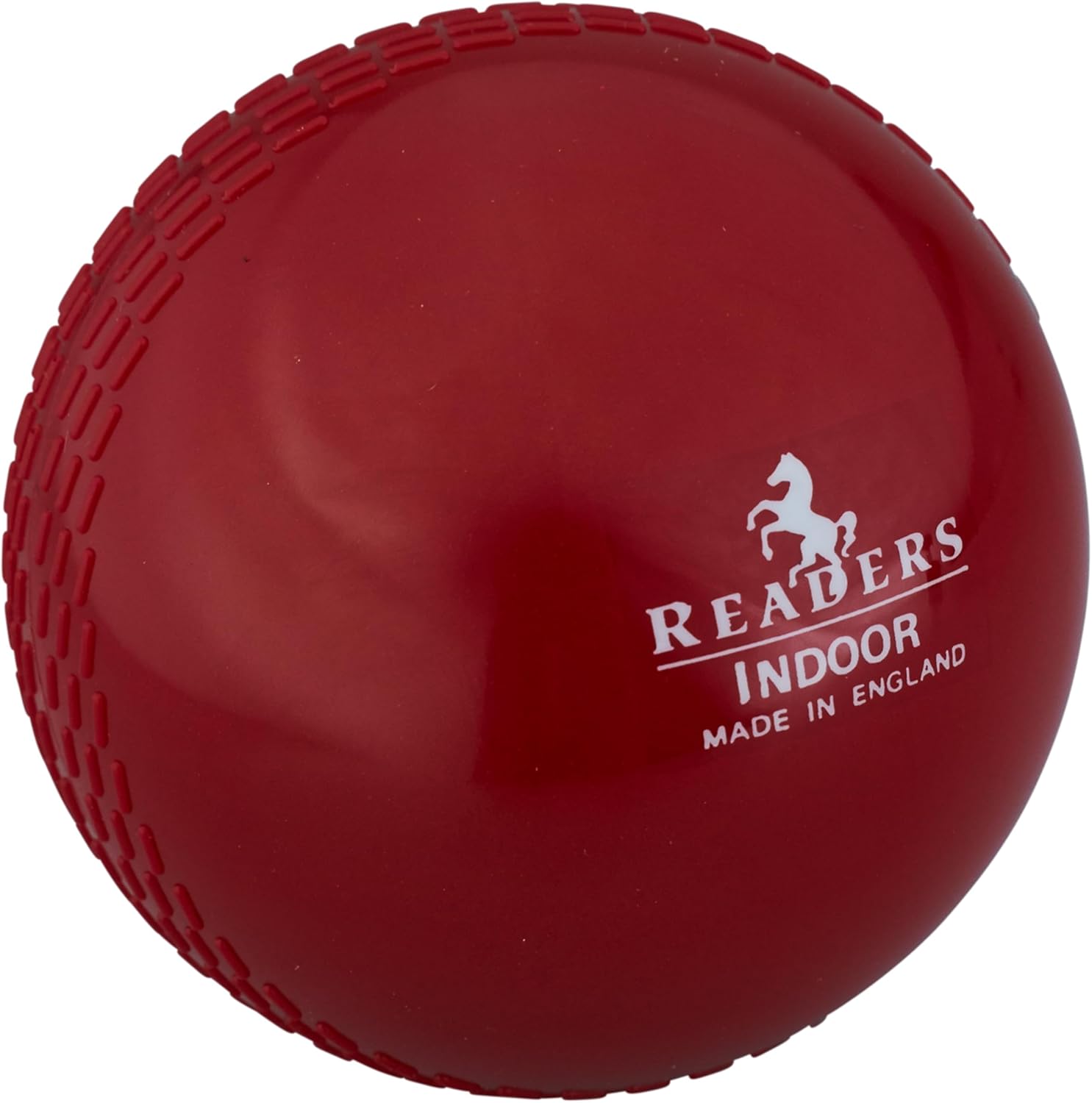
When playing indoors, the type of ball to be used depends on the surface available. Some sports halls put restrictions on the type of ball that can be used so check with them before purchasing. However, the Readers 4oz indoor ball is a great option. It is slightly smaller in size and weight to a standard cricket ball but has a realistic moulded seam, allowing bowlers to train through the winter months. These balls are often used for indoor cricket matches and as they can be hit with a bat too.
These work best when bowled onto a carpet, as when used on wooden surfaces they can leave scuff marks on the floor. A good alternative is the Instruct-a-Ball, which also weighs around 4oz. The difference with this ball is the ball has markings printed on the ball showing where the fingers should be placed when bowling. They have positions printed for seam and spin bowling and is a great training aid for young cricketers.
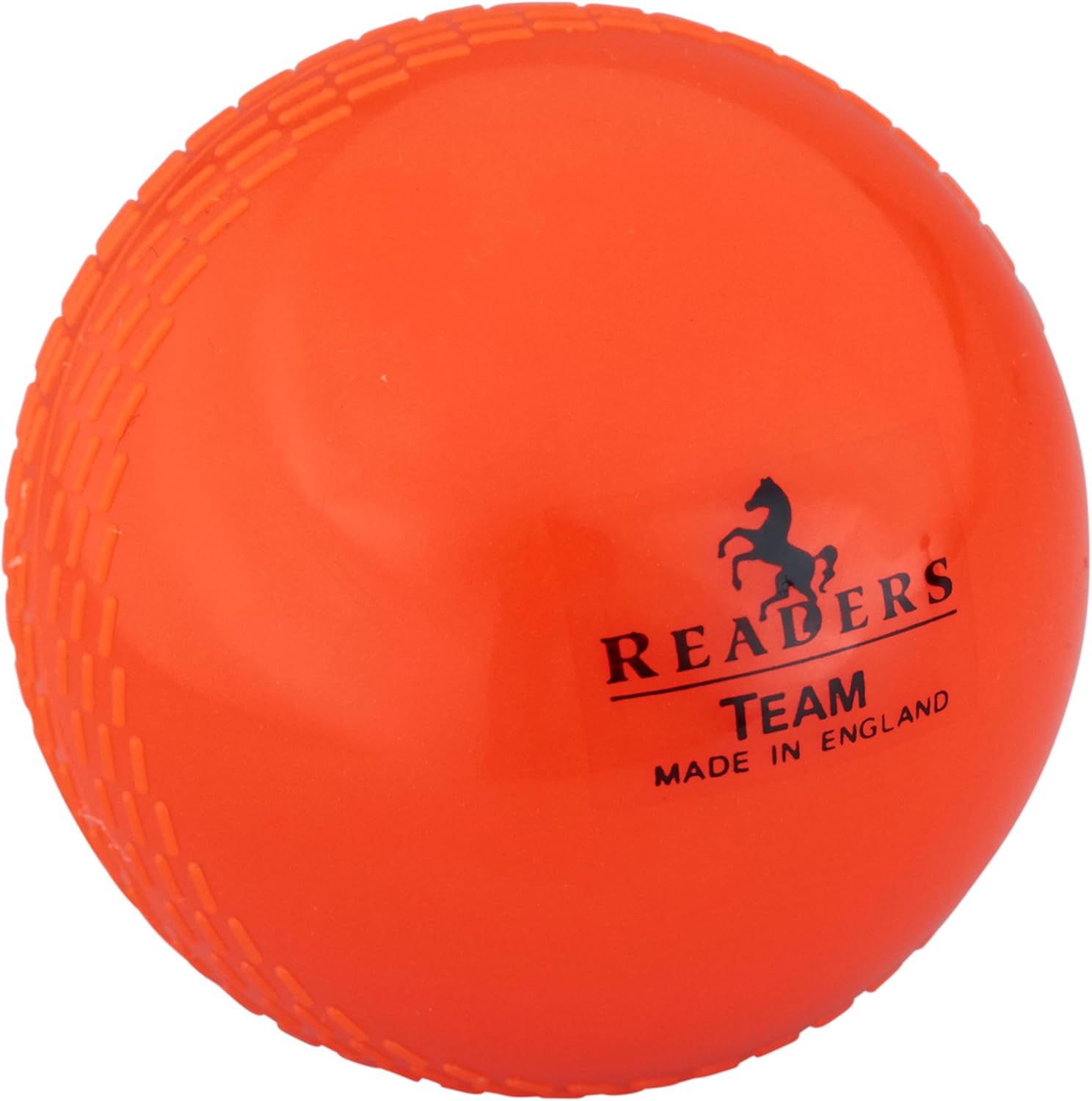
12 – 2.5oz Team Cricket Ball
The Readers 2.5oz ball is similar to the 4oz ball in overall size. It is slightly softer than the 4oz ball but not as soft as a Windball. They also have a moulded seam to allow bowlers to get the feel of a real cricket ball. These balls are perfect for use with young players, for all fielding, batting and bowling drills.
It is also known as the Readers Team Inddor Cricket Ball
13 – GM Swingking Classic
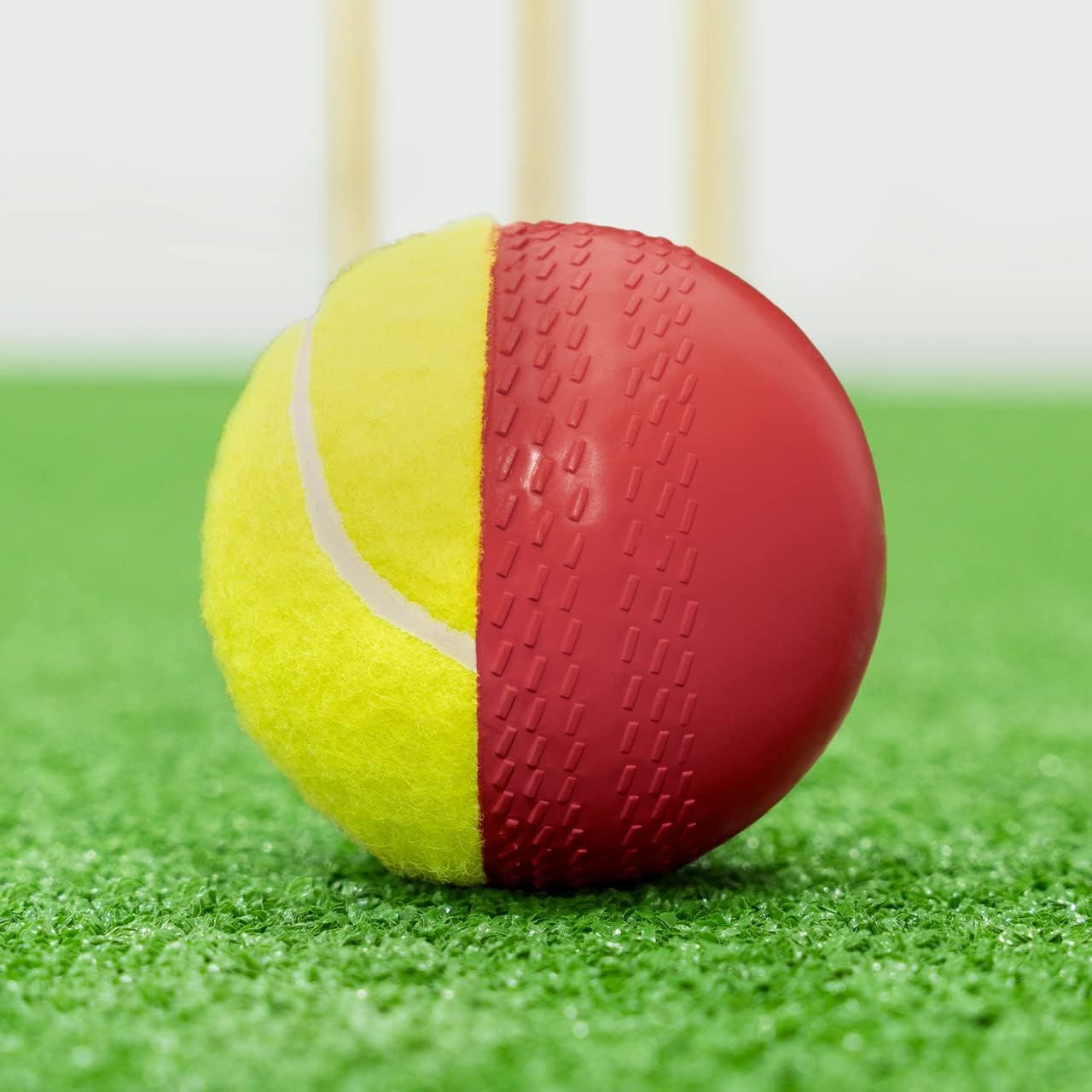
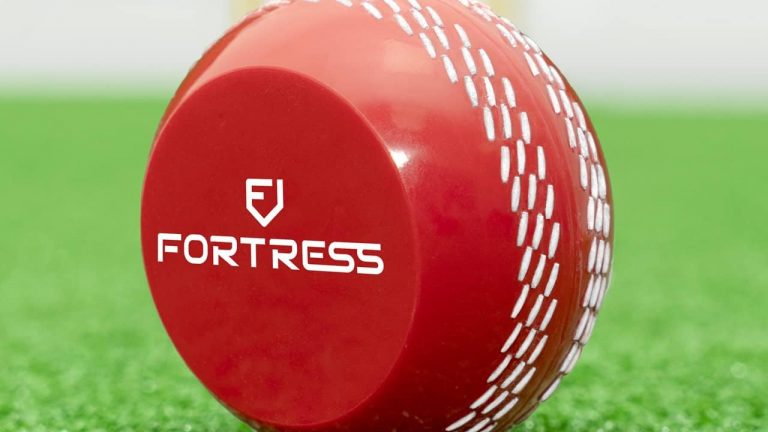
I personally love this ball and is one of the best 15 cricket balls for coaching bowlers, in my opinion. The GM Swingking is one of the best training balls for developing young swing bowlers. The ball has a unique design and should be part of every coaches toolkit. At the time of publishing, I was unable to find the GM version online. The image shows the Fortress version which is avalaible on Amazon via our affiliate link.
The Swingking ball is a tennis ball with half covered in a rubber compound, whilst the other half is left exposed as a tennis ball. It has a moulded rubber seam and is a great visual aid for bowlers of all ages to see the ball move through the air. It is the perfect training ball to develop bowlers and helps experimenting with seam and finger positioning and the effects it has on the ball.
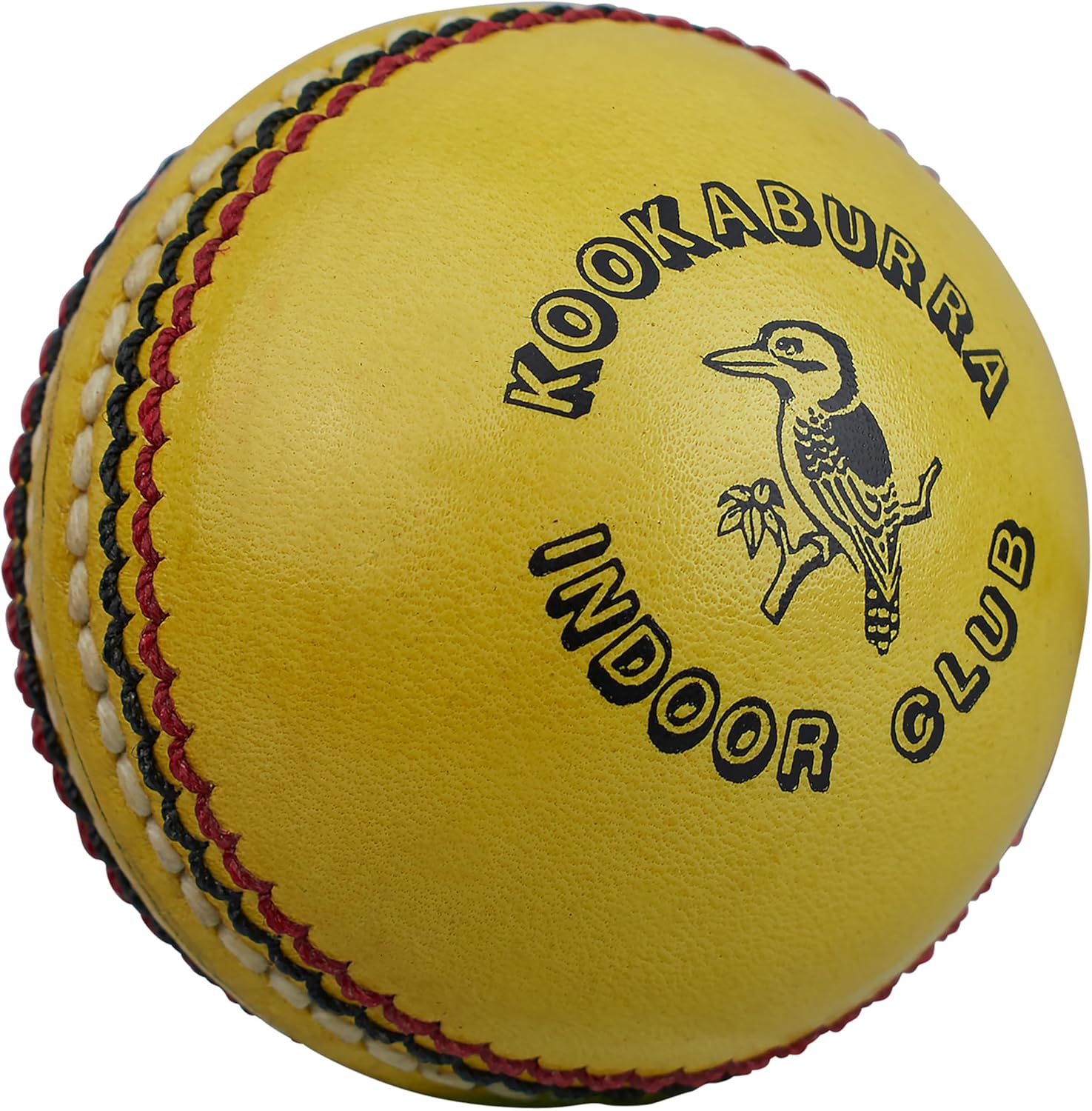
14 – Kookaburra Indoor Club Cricket Ball
The Kookaburra Indoor Club ball is one of a kind. It is a lightweight ball but feels like a cricket ball. The Indoor Club ball has a leather outer, real stitching and weighs 114g. It is generally used for indoor games but can be used as a training aid for bowlers of all ages.
The ball is yellow in colour which helps batters see the ball in poor indoor lighting scenarios.
15 – ‘Aggot’ Narrow Cricket Bowling Training Ball
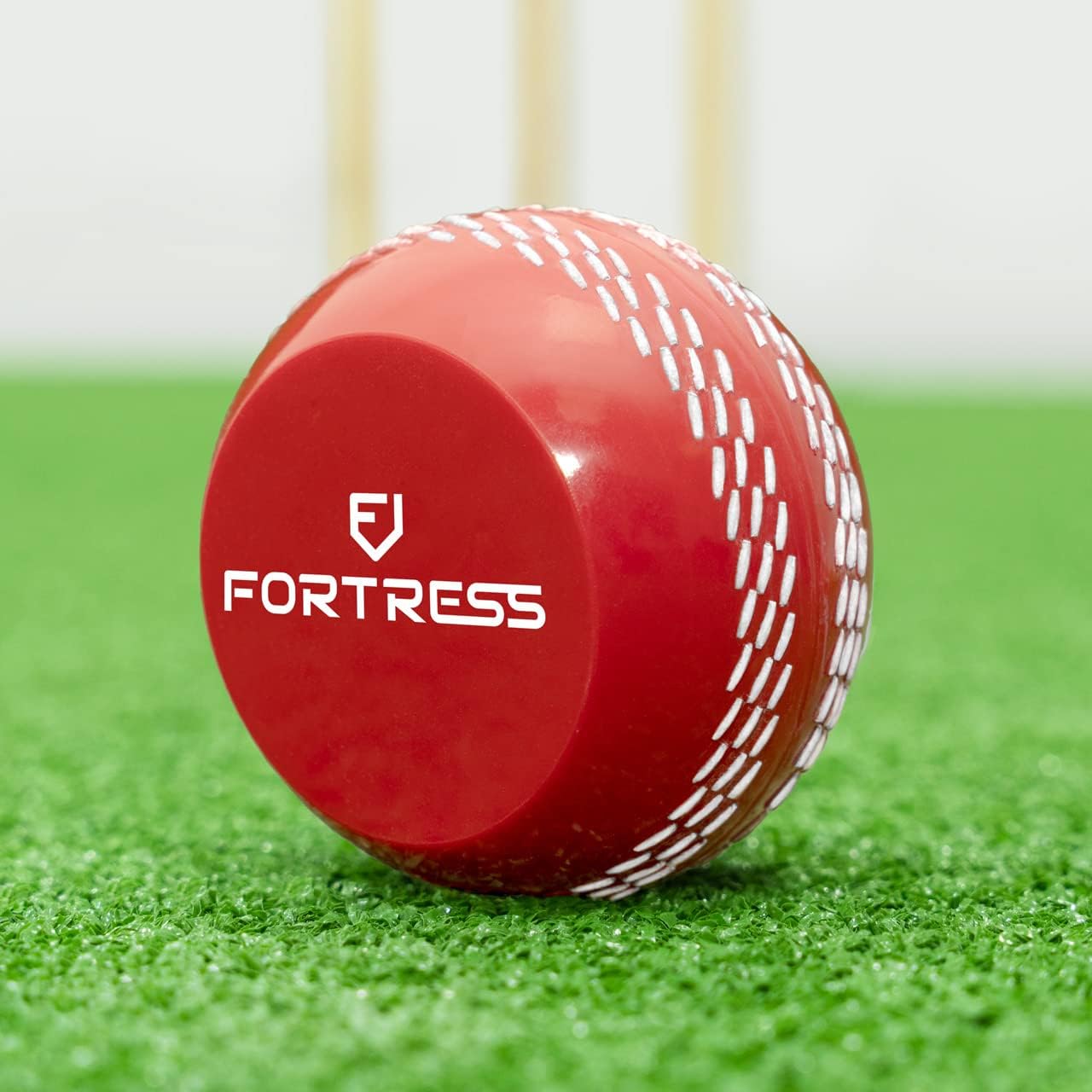
Another cricket ball with an unusual design is the ‘Aggot’ cricket ball. I 1st used this ball as a junior cricketer and have fond memories of the bowling sessions we had and rate this as one of the best 15 cricket balls, for players of all abilities.
The ‘Aggot’ is a brand name and is hard to find now but the Kookaburra Technique ball or the Fortress ball shown are great alternatives. The ball has a moulded seam for bowlers to grip properly but, it is a 1/3rd of the width of a standard cricket ball. When the bowler releases the ball correctly the ball will land on the seam. If the seam position at point of release if off at all, this will be displayed losing its true shape through the air (wobble seam).
Another great training aid for all bowling coaches and suitable for all ages.
Cricket Balls For Coaching – Summary
As you can see there are a large number of cricket balls available to develop players of all ages. These balls are generally there to improve the skill sets of the bowler but some can be used to help as visual aids for batters too. The list is extensive and there are many more options available. The list of my best 15 cricket balls for coaching coach have stretched to 20 or more and I hope you have some of these in your coaching bag too. Check out more on Cricket here
I created this video a few years ago, talking about my favourite 14 coaching cricket ball. How many now make my list of 15 Best Cricket Balls?